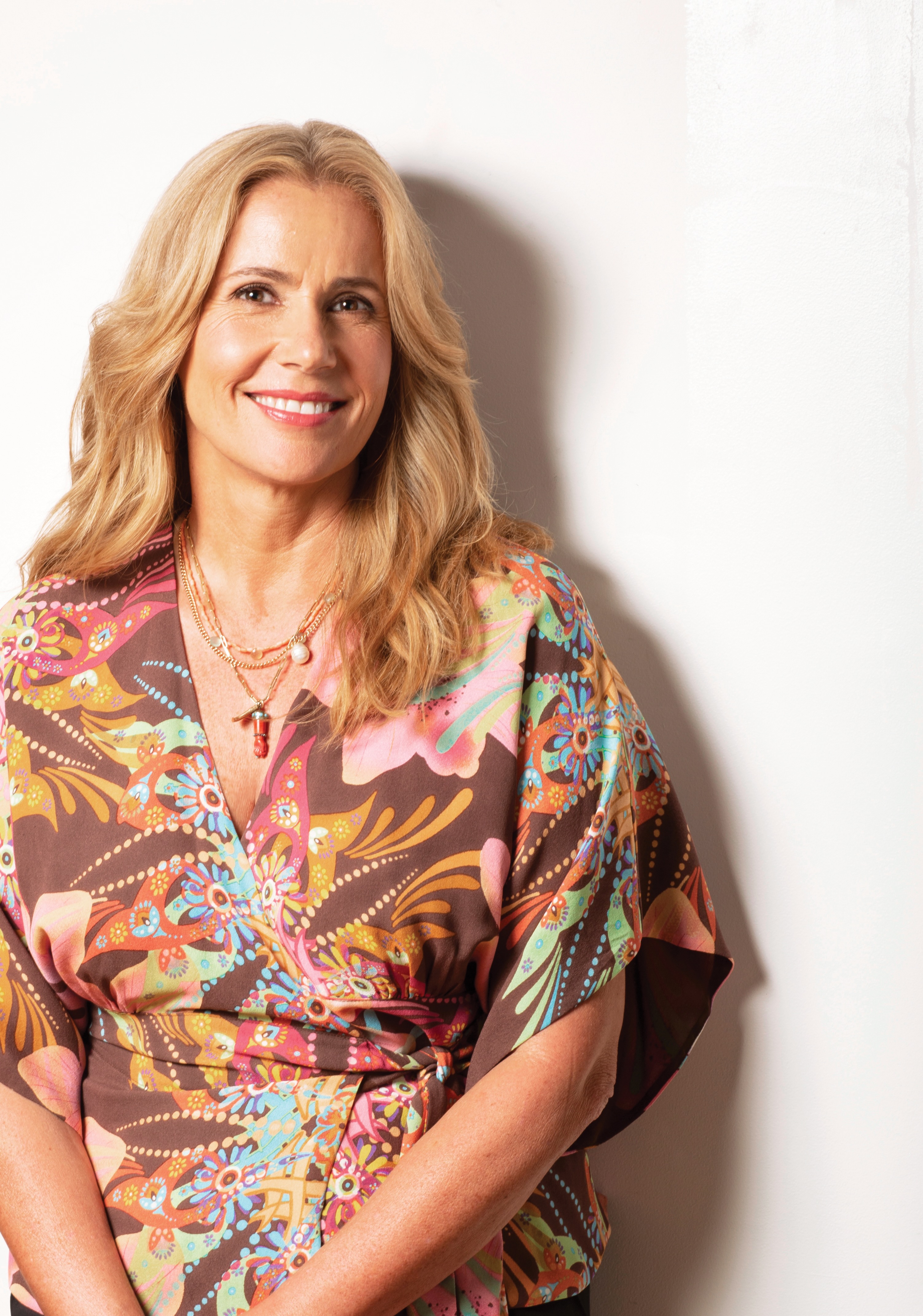
Welcome
This is where you'll find information about my books, including my latest novel, This Terrible Beauty (March 1, 2020), one of Kate Quinn's top 20 novels of 2020. My debut, The Forgotten Hours, was on the Washington Post bestseller list for seven weeks, and was an Amazon Charts bestseller. It's been optioned for development into a limited series by Shespun Films. I'm currently working on a novel of obsession and intrigue set in Ibiza in 1965.
I write a brief monthly newsletter, The Curious Kat, with the aim of inspiring creativity. Join me by signing up here.
Find out where I'll be speaking and teaching, invite me to your book club, or get an inside look at the writer's life. If you're a writer as well as a reader, take a look at my blog, where I delve into everything from "How to be a Successful Writer in 38 Easy Steps" to discovering "Your #1 Secret Weapon. Writing is my greatest joy, but it can be a pretty lonely endeavor—I hope you'll find some camaraderie here.